How to Know if You Should Refinance (Without Spending Your Weekend on Calculators)
Most refinance calculators make this harder than it needs to be.
They ask for fifteen inputs you don't have memorized. They give you a break-even point but no context for whether that's good or bad. They assume you know what you're optimizing for.
Here's a simpler framework that actually helps you decide.
The Two Questions That Matter
- How long are you keeping this property?
- What's your break-even point in months?
That's it. If your break-even point is shorter than your expected holding period, refinancing probably makes sense. If it's longer, it probably doesn't.
Everything else is details.
How to Calculate Your Break-Even Point (The Simple Way)
You need three numbers:
-
Monthly savings = Your current payment minus your new payment
- Current payment: Look at your mortgage statement
- New payment: Use any mortgage calculator with your current loan balance and new rate
-
Total closing costs = Everything you pay to refinance
- Lender fees, title fees, appraisal, everything
- Ask lenders for a loan estimate, the total is right there
-
Break-even months = Closing costs ÷ Monthly savings
Example:
- Current payment: $2,400/month
- New payment: $2,100/month
- Monthly savings: $300
- Closing costs: $6,000
- Break-even: 20 months
If you're keeping the house for more than 20 months, refinancing saves you money. If you're selling in a year, don't bother.
The Holding Period Problem
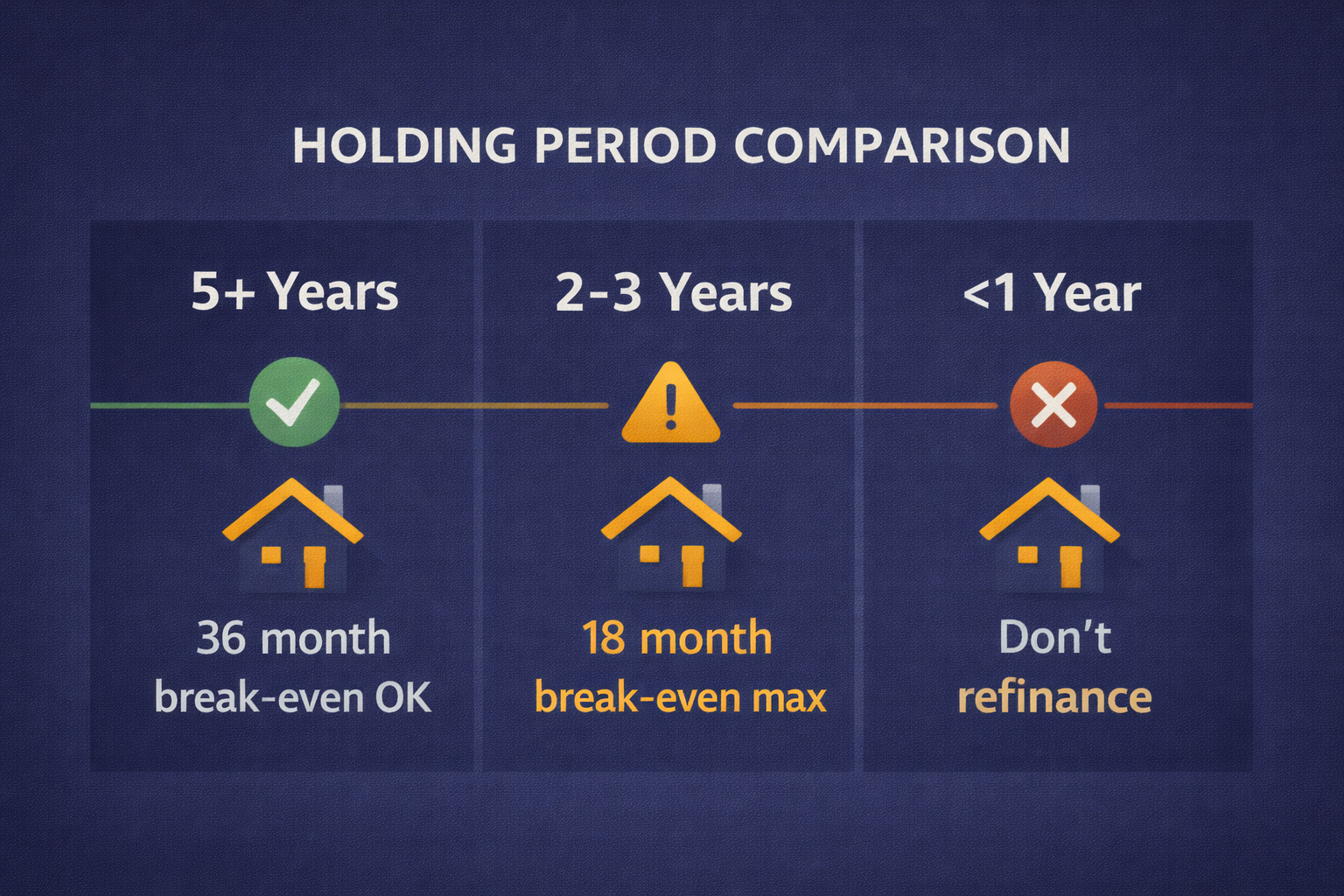
This is where most people get stuck. You don't know how long you'll keep the property.
Fair. Nobody does for certain. But you probably have a range:
- "We're staying here at least 5 years" = refinancing probably works if break-even is under 36 months
- "We might move in 2-3 years" = refinancing works if break-even is under 18 months
- "We're selling within a year" = don't refinance
When in doubt, be honest about the realistic minimum time you'll keep it. That's your number.
What Most Calculators Get Wrong
They optimize for total interest saved over 30 years. But nobody keeps a mortgage for 30 years. The average person refinances or moves every 7 years.
What matters is: Does this save me money during the time I'll actually have this loan?
The Tax Situation
Yes, your new interest payment might be higher if you refinance to a higher rate, which means less interest deduction. But this only matters if you itemize deductions, and most people don't anymore after the standard deduction increased.
If your total itemized deductions (mortgage interest + property tax + state tax + charitable giving) don't exceed $29,200 (married) or $14,600 (single), the tax impact of refinancing doesn't matter. You're taking the standard deduction anyway.
When Refinancing Makes Sense Even if Rates Are Higher
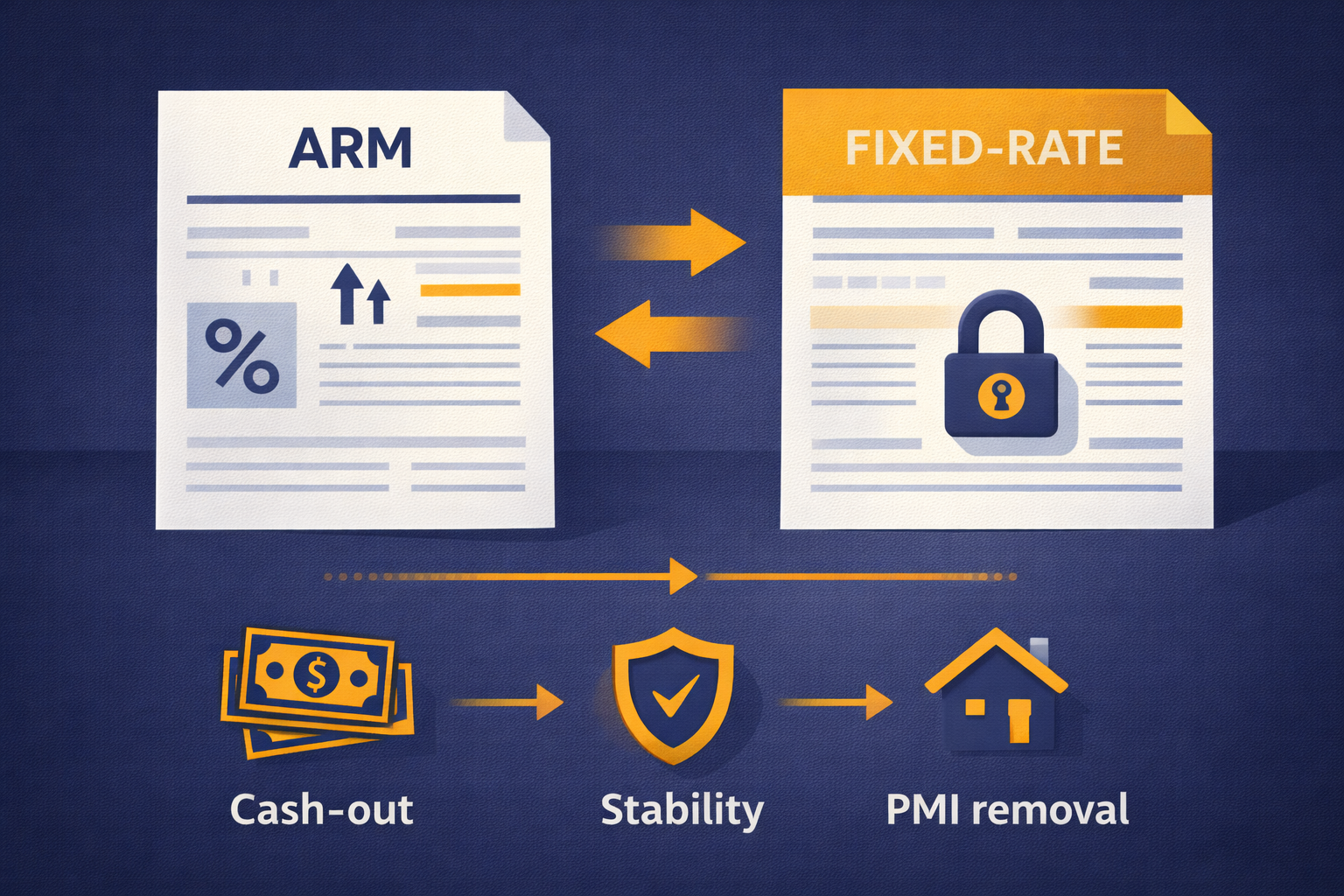
Sometimes you refinance even if your rate goes up:
- You need cash out for a renovation or down payment on another property
- You're switching from an ARM to a fixed rate for stability
- You're removing PMI (if your home value increased enough)
- You're getting rid of a co-borrower after a divorce
In these cases, the rate is secondary to what you're trying to accomplish.
The Actual Decision Process
- Get loan estimates from 2-3 lenders (takes 10 minutes to request, they do the work)
- Calculate your monthly savings using your current mortgage statement
- Divide closing costs by monthly savings = break-even in months
- Ask yourself honestly: Am I keeping this property longer than [break-even months]?
- If yes, refinance. If no, don't. If maybe, don't - uncertainty means stick with what you have.
Why This Feels So Hard
The reason refinancing feels like a research project isn't because the math is hard. It's because the information is scattered:
- Current mortgage terms: Have to log into your servicer
- Current home value: Have to check Zillow or order an appraisal
- Current rates: Have to shop lenders
- Closing costs: Have to request loan estimates
By the time you gather everything, you're exhausted and just want someone to tell you what to do.
The decision is simple. Gathering the inputs is annoying.
The Bottom Line
If you're keeping your property longer than your break-even period, refinancing saves you money. The hard part isn't the decision - it's having your financial data organized enough to make the decision quickly.
Most property owners spend 3-4 hours doing this research every time they consider refinancing. There should be a better way to track this stuff.
Want to model your refinance scenario in minutes instead of hours? Check out Nimbus Portfolio's free refinance calculator.